A film I cannot get out of mind is Marathi film Ventilator where the opening credits portray all the sounds and images associated with the festival in all its colours and splendour! The end credits repeat the grandeur when the patriarch recovers and the family is ready to bring the deity home.
Talking of hosting the idol, so many of our film folks have for years, brought the deity home. Some, to their work place, some to their abode, some, quietly and some in all its glory. Singer Nitin Mukesh has all the celebs visiting him and it is a home filled with music, food and colour.
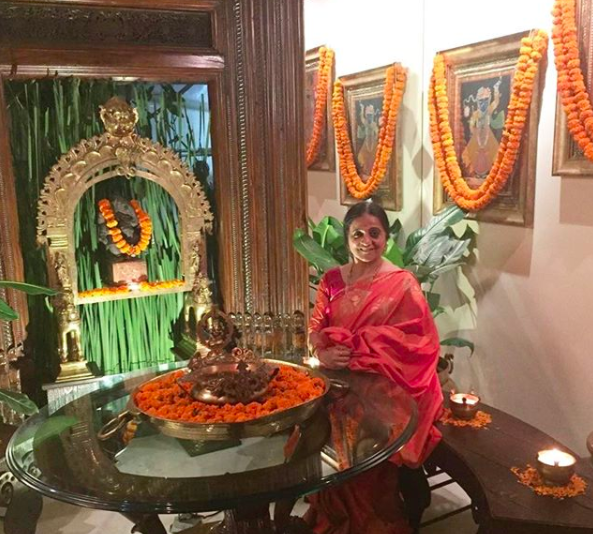
Anil Kapoor’s wife Sunita makes it a special evening with fragrance and lights( above pic at her home) Sanjay Leela Bhansali prefers a Gujarati lunch that carries forward to teatime and sometimes dinner. There is a special costume and special design for Bhansali Ganesha and it is personally supervised by Sanjay’s mother Leelaben.
For director Mukul Anand the final day visarjan
was a premise for a dramatic climax in the 1990 Agneepath whereAmitabh
Bachchan is stabbed amidst huge crowds bidding farewell to the deity at the
seashore. For Ram Gopal Varma, it was exposing the hero as a criminal in Satya/ 1998 as he is dragged on a noisy
street and his beloved Urmila Matondkar looks on shell shocked!
For Aditya Chopra the deity was a trigger for
romance in Dil Toh Pagal Hai /1997.
Madhuri’s dance teacher Aroona Irani notices attraction between the lead pair
and senses their hesitation to confess it and therefore gifts identical Ganesha
idols to both Shah Rukh and Madhuri Dixit separately telling them that he will
guide them to love and he does.
While animation film My Friend Ganesha celebrates bonding between the deity and a child,
for filmmakers Farhan Akhtar and Karan Johar, the festival was an occasion to
include a song featuring Shah Rukh Khan and Hrithik Roshan in the remakes of Don
and Agneepath.
Every year, come Ganesh
Chaturthi and all the pandals begin to play Ganpati songs. This year is
different because of the pandemic but that does not stop us from remembering
Ganpati songs in our movies. For all the celebrations associated with the deity strangely
there are not as many significant songs / scenes projecting the God of wisdom
on screen and which explains why we are still playing the same old songs like ‘Deva
ho deva’ from the 1980 release Humse Badhkar Kaun or ‘Murti Ganesh
ki, andar daulat desh ki’
from Takkar where Jeetendra, Sanjeev Kumar and Vinod Mehra expose the villains who have hidden the temple
treasures inside the idols placed inside the truck.
In 1981 Shyam Benegal’s Kalyug was the first
film to portray the immersion procession in all its glory where in hero Shashi
Kapoor is caught in the festival traffic. The chaos on the street reflects the
turbulence in his heart.
Sunil Dutt’s Dard Ka Rishta in 1983, inspired from his personal
life was about battling cancer where Baby Khushboo while on the hospital senses
the Lord coming home. The father brings the idol to her hospital bed and Khushboo
dies in peace.
When the gopikas bathe in the pond, Lord Krishna and his friends steal their clothes and then climb on top of a tree to watch the show. Is Krishna really that shameless or are we missing a deeper message?
Looking back, none of my books have been an easy journey. There were hurdles
in the process of writing or in the process of pitching or in the process of
releasing them but finally the obstacles were overcome. I was visiting my
sister in Ahmedabad when two young boys came to meet me with an idea. They had
done extensive research on garbh sanskar and wanted me to do a book for them.
My first thought was but I have no experience of motherhood so how can I
write a book on the subject but they were convinced I was the right candidate
and so got down to doing the job. I followed their conviction and, in the
process, began enjoying the journey.
Creation
of human life is a magical experience. While our ancestors described it as a
blessing from the Almighty, our Vedas
and Upanishads dictate that
everything that happens in the universe is predetermined from the moment the foetus takes root
in the uterus.
It is a
misconception that the child begins to learn after he/she is born. The child
begins absorbing learning from his/her surroundings as a foetus. Everything
that happens to the mother during the nine months of pregnancy directly or
indirectly affects the baby’s mental, intellectual and spiritual growth.
It is
researched that millions of new mind-cells develop every moment inside the womb
of a mother and if they are not immediately directed to the outer world, these
cells become dormant. Therefore, it is imperative that pregnant women are
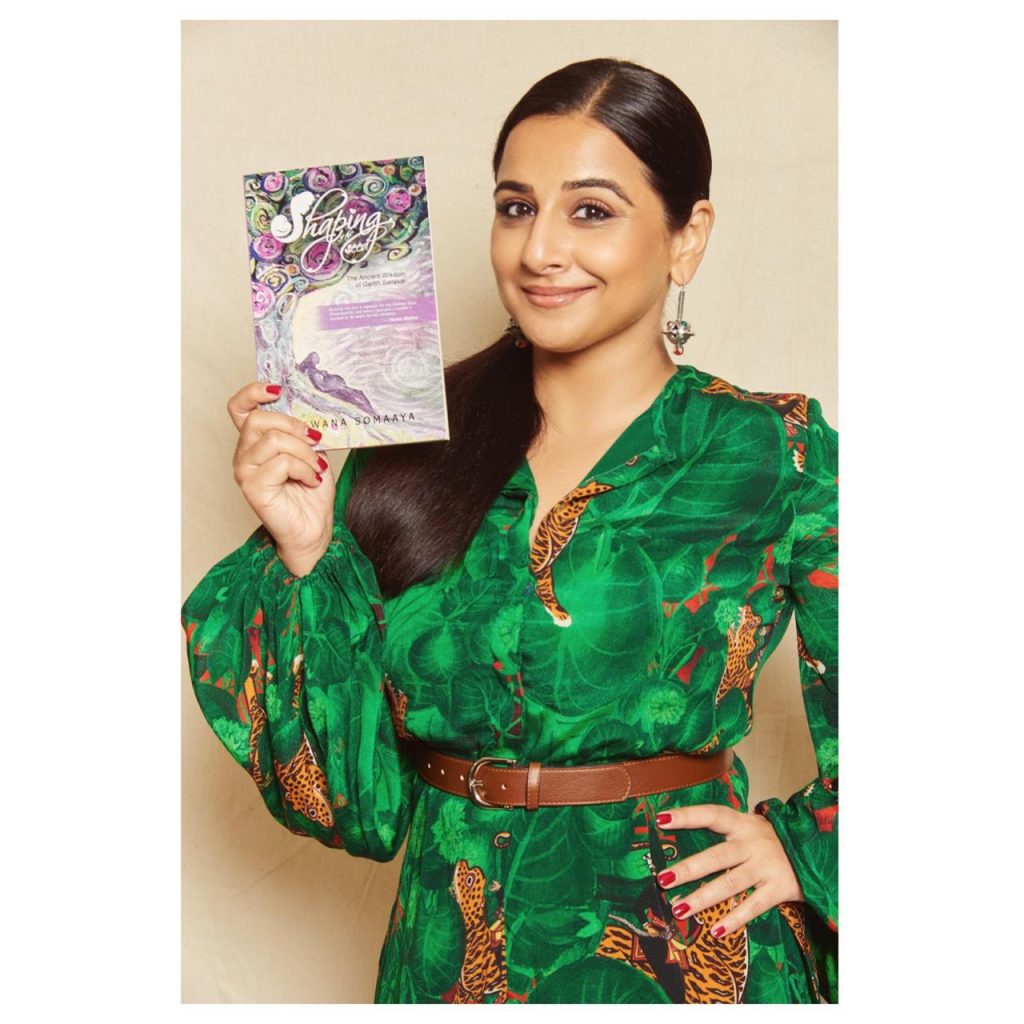
enlightened on the subject of Shaping ofSeed
– Ancient Wisdom of Garbh Sanskar so
that they make optimum use of the information and nurture their unborn.
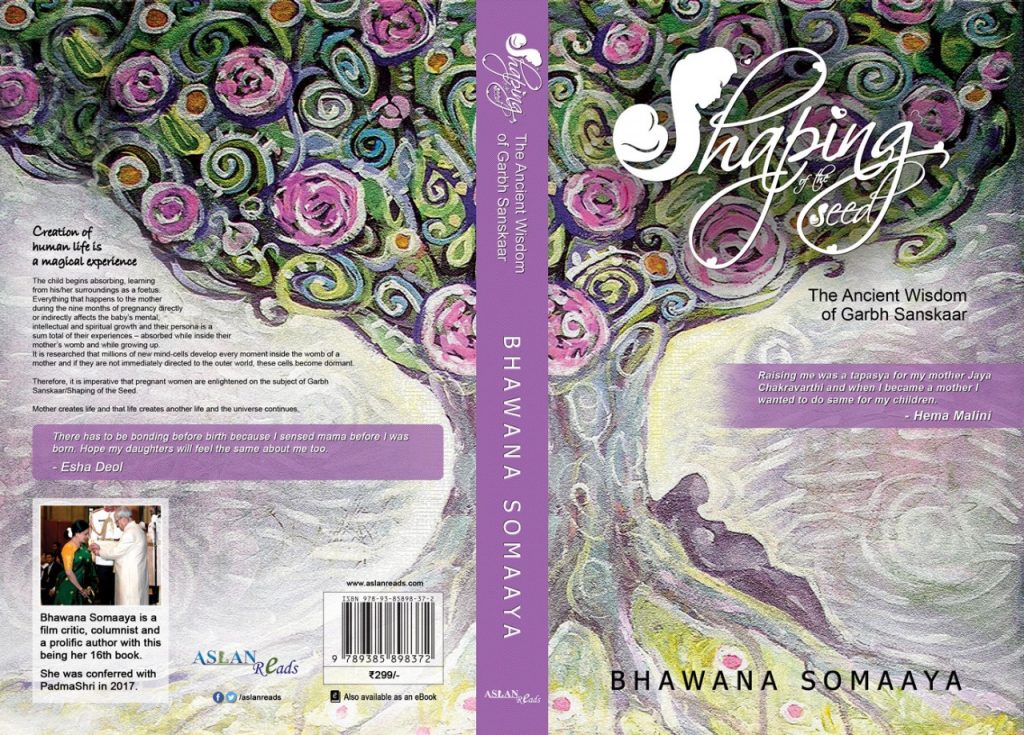
The credit
for the green and mauve book cover goes to Publisher Deepika of Aslan Reads.
So, what
story am I telling you next week? Aah, is not going to be a book story because
for that you will have to wait till October.
It is not
going to be Sepia Stories and maybe not in this space either, nevertheless the
blog continues and those keen to follow can log onto www.bhawanasomaaya.com/ blog
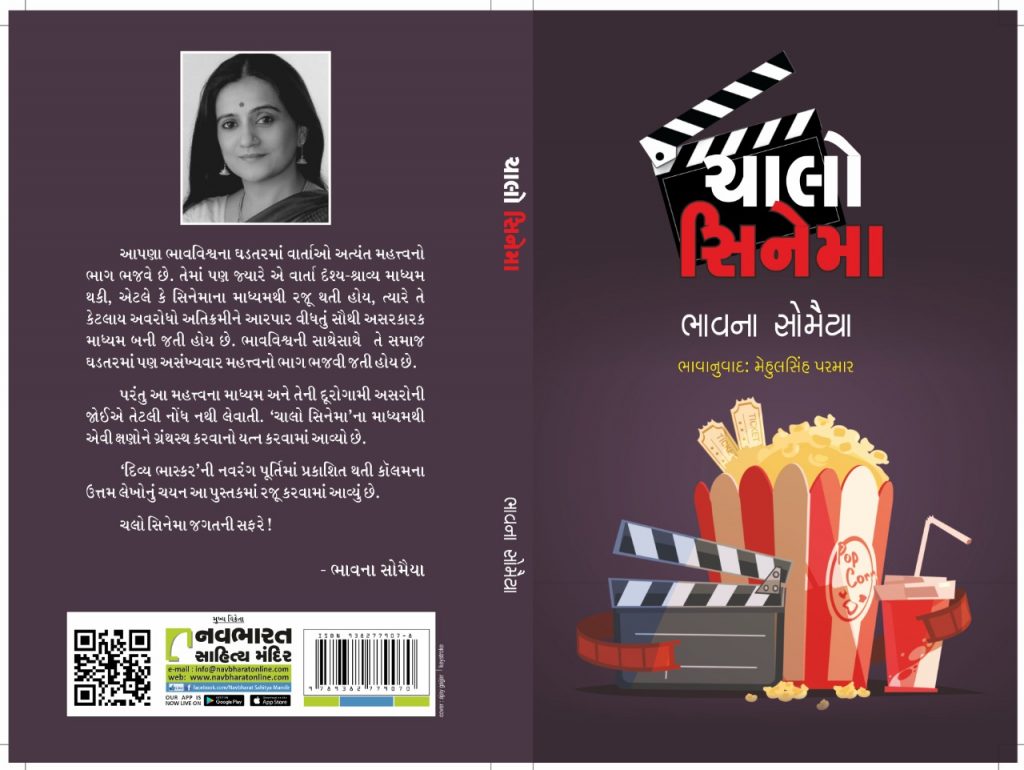
Chalo Cinema in Gujarati
is a collection of my columns written for Dainik Bhaskar and translated from
English into Gujarat by the publication. The book is published by Navbharat
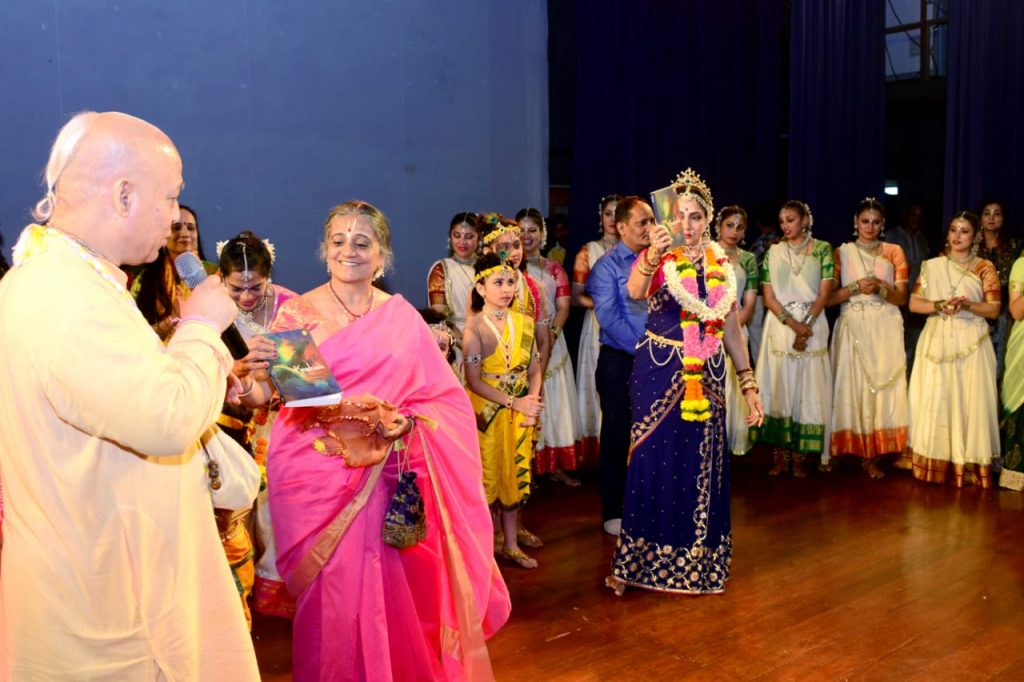
Sahitya Bhandar and was released at a glittering event in Ahmedabad at the
hands of Aruna Irani, a legend in Gujarati cinema.
Chalo Cinema is actually my fifth experience
into Indian language translations. The first book to be translated was Take
25 into Marathi and published by Mehta Publishing House in 2004. The
publisher came home with the writer, I approved of the idea and a few months
later he came home with the copy of the book, as simple as that.
Salaam
Bollywood was serialized in Screen when I was attached
to the publication and also in Gujarati paper Samakaleen, part of the
Indian Express Group later the in Gujarati translation was published by Navneet
Publishers in 2005 followed by Macmillan India Ltd coming up with the Hindi
translation of AmitabhThe Legend as Ek Jivit Kinvadanti
in 2007 and finally Hema Malini Biography by Ameya Prakashan in Marathi in
the year 2008.
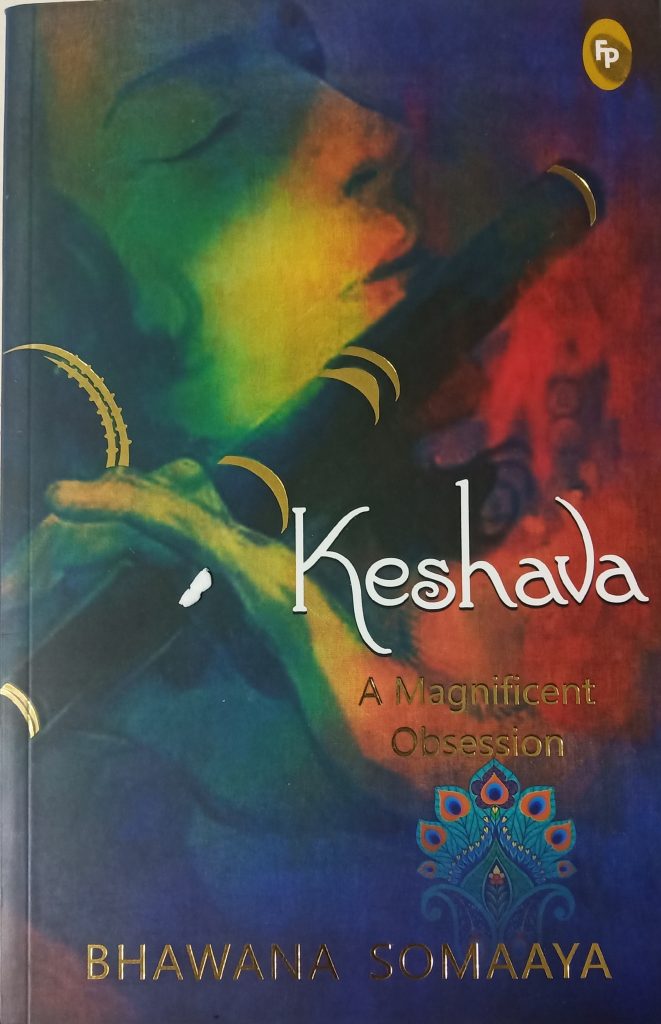
My second book on Lord
Krishna and to not confuse it with the first I called it Keshava. It was conceived as a book on Tulsi
originally but the word count was insufficient for a book and I began thinking
how do I add more chapters when I came up with the new idea of the book.
There’s something
about Lord Krishna that makes everyone who comes into contact with him –
consciously or subconsciously- become consumed by him. He becomes the centre of
their existence and that is Sri Krishna’s magic and also his power on not just
humans but on everything that breathes on the planet.
Everyone who comes
into contact with him believes that Lord Krishna loves them the most and
probably he does.
Keshava: A Magnificent
Obsession is the story of these
special bindings, it is a journey into the mind and the heart of Lord Keshava
and his relationship with the eight breathing wonders of nature – the Peacock,
the Flute, the Kadamba tree, the Lotus flower, the Tulsi plant, the Kamadhenu
cow, the Conch and the Peepal tree.
Why and how they came
to be associated with him and why we continue to worship all of them over the
centuries. Stories of passion, stories of submission, stories of devotion and
of uncontainable desire.
Published by Fingerprint the book cover and the
inside illustrations continue to bring me joy after all these years
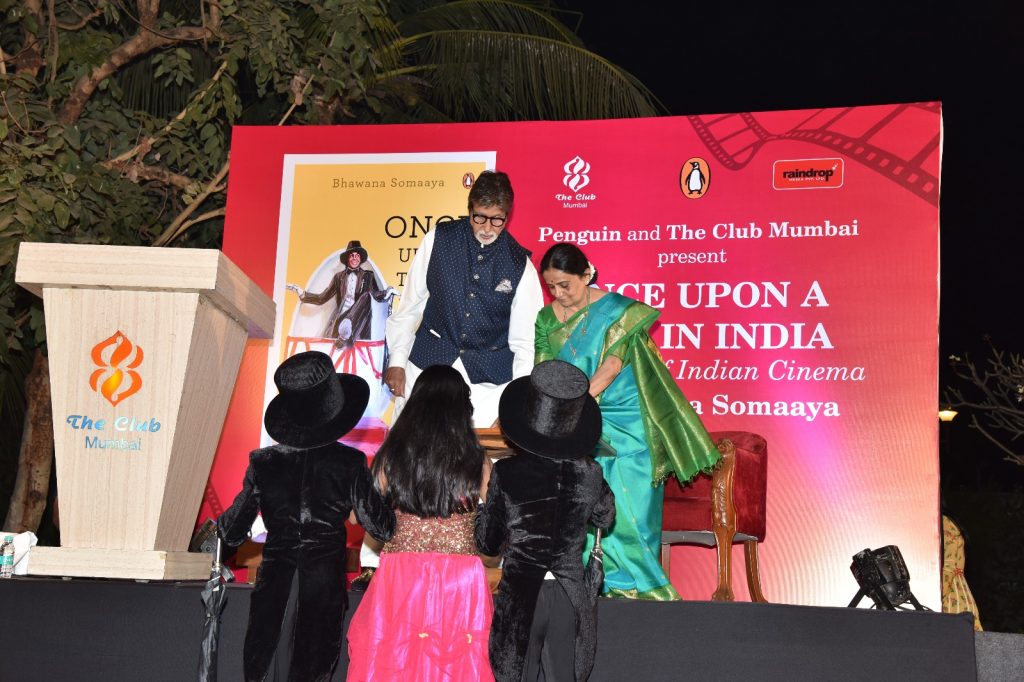
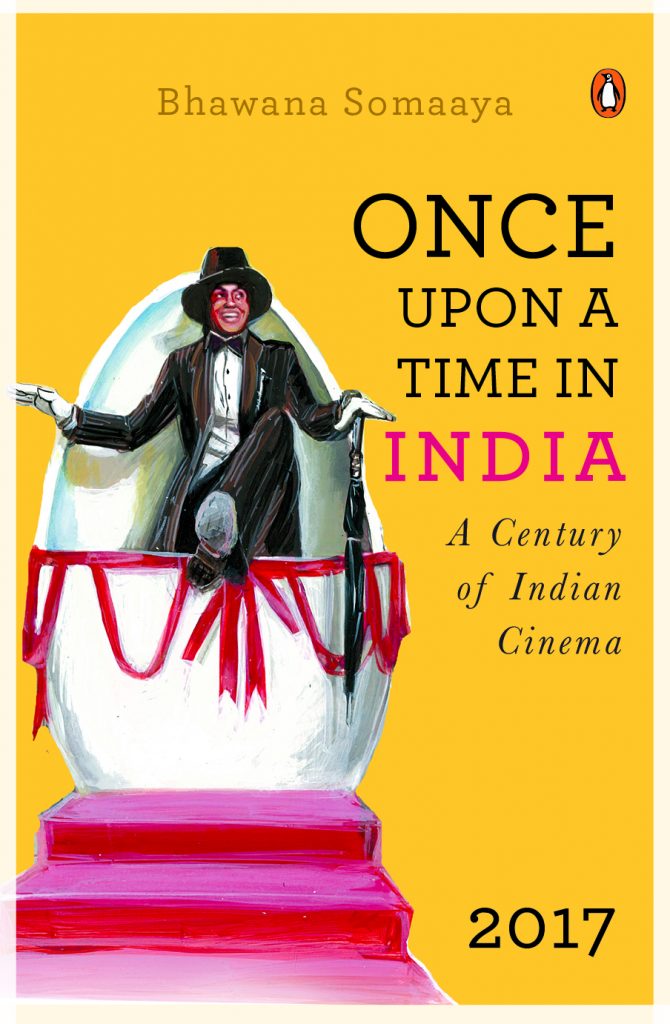
Once Upon A time in India looked back on the milestones of pre-and post-independence cinema, the montages of stories and the superstars who made us laugh and cry.
If
you are a Hindi-movie buff, karva chauth immediately brings to mind DDLJ,
and Easter probably reminds you of Anthony Gonsalves.
The
idea was to recap the story of cinema like a fun story and celebrate it and which
is the reason it includes fascinating facts and milestones of decades gone by.
Structured in an attractive diary format and featuring iconic dialogues
combined with trivia Once Upon A Timein India documents history
in a contemporary style.
Combining
original illustrations in Bollywood poster art style—depicting some of the most
memorable scenes from classics— make this a volume to treasure even when the
year is over.
Published by
Penguin Random House India the book released in 2017.

Recent Comments