Searching, finding love (Day 1504)

By Uncategorized

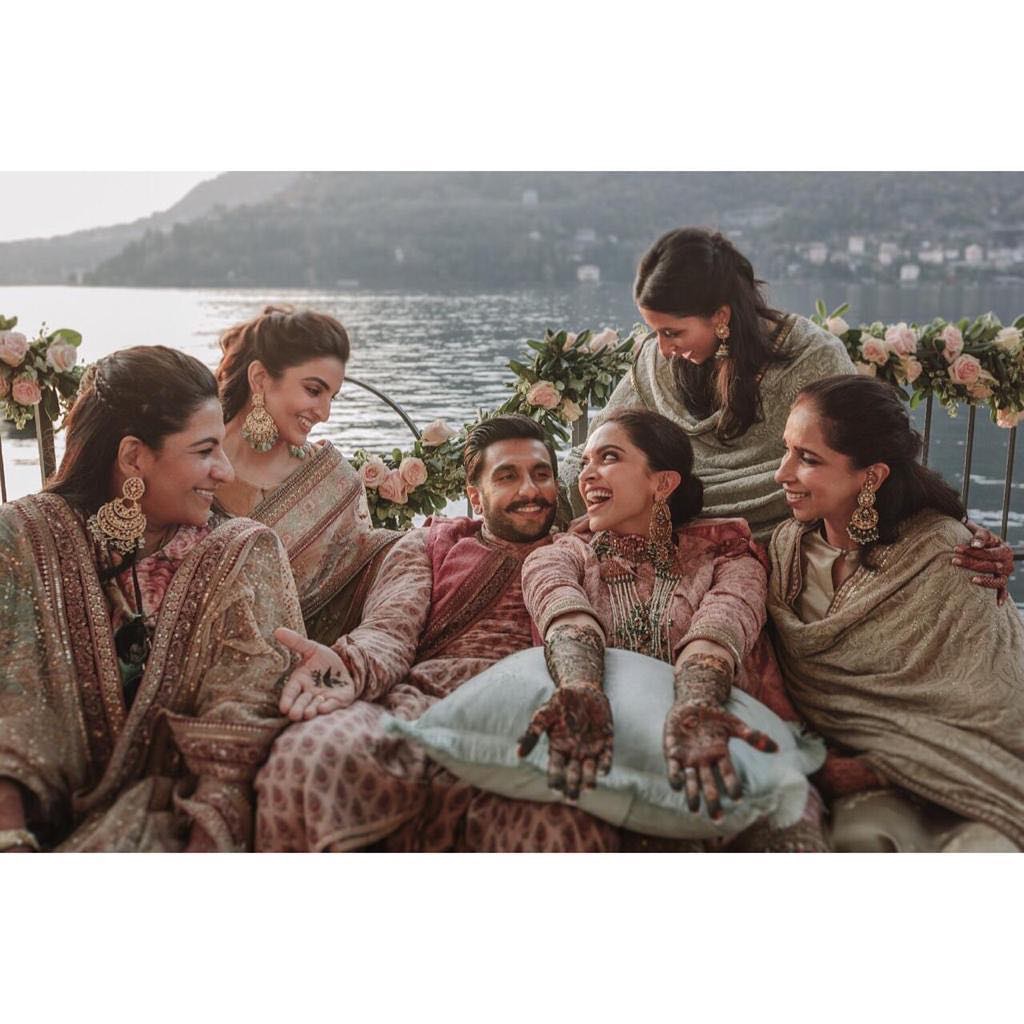
The media loved Ranveer’s madness and his co-stars confessed his enthusiasm was infectious. He did Gunday/ 2014 with Priyanka Chopra, his third film with Yash Raj banner and floored us with his portrayal of Kabir Mehra in Zoya Akhtar’s Dil Dhadakne Do. Filmmakers now sought him for powerful roles and destiny favoured him at the box-office.

Sanjay Leela Bhansali repeated Deepika and him in Bajirao Mastani adding Priyanka Chopra as Peshwibai Kashi. The audience loved Bajirao to an extent that they were willing to forgive Ranveer Singh’s senseless Befikre. When Sanjay Leela Bhansali announced his third Padmavat with the lead pair everybody said ‘not again’ and Bhansali soon clarified that Shahid Kapoor and not Ranveer Singh will play Deepika’s love interest in the film. Ranveer played Sultan Allaudin Khilji and stole the thunder from all.

There were stories of how he locked himself up in a room for days to feel Khilji’s pain and work out his character and simultaneously there were stories of Ranveer- Deepika’s romance off screen and other complex stories too.  Some said his cheerfulness was a defence and he was in fact in clinical depression and therefore behaved oddly like landing at a party in his pyjamas. There’s a possibility that all these are just stories because eventually, matters is that his filmmakers vouch for his talent. In the coming year, he has Gully Boys, Simmba and Kapil Dev and of course his wedding.

To be continued

@bhawanasomaaya

Nothing succeeds like success (Day 1503)

By Uncategorized

Ranveer returned to India with the intention of finding a secure job and settling down but surprised himself and his family by going for auditions every day.  Those were bleak days. There were offers for supporting roles, TV serials, music videos even ad films but Ranveer wanted to be a hero and he was willing to wait.  One day he was auditioned for Yash Raj Films Band Baaja Baaraat and got selected.

The romantic comedy set in the world of wedding planning required him to portray a Delhi guy and director Maneesh Sharma felt visiting Delhi University campus during the recce of the film will transform Ranveer into his character Bittoo Sharma. He was right. Ranveer’s second film Ladies v/s Ricky Bahl/ 2011 with YRF wasn’t a super success but Ranveer got a lot of films and Ranveer was selective of his characters.

In 2013 he played Varun Shrivastav in the extremely sensitive Lootera and also the dare devil Ram in Sanjay Leela Bhansali’s Goliyon Ki Rasleela-Ramleela, his first with Deepika Padukone.  By now he was full-fledged star and enjoying his stardom. He described himself as the Alice in wonderland of show business and said he often pinched himself to check if he wasn’t living a dream.

To be continued

@bhawanasomaaya

Ranveer Singh: The outsider (Day 1502)

By Uncategorized

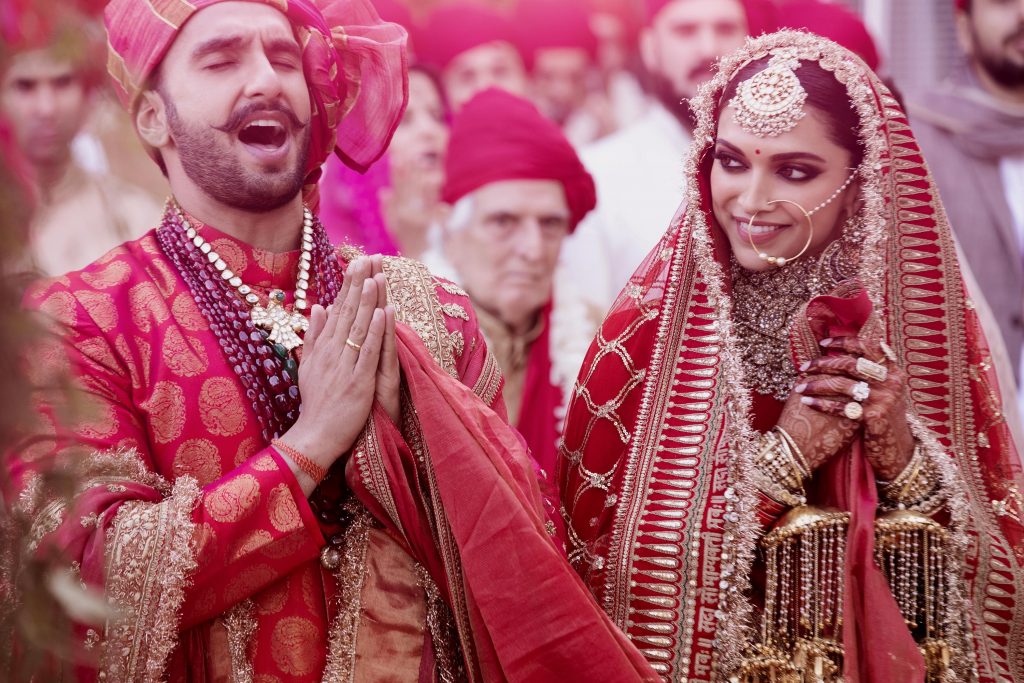
Last year Ranveer Singh celebrated his last bachelor birthday. This year, Singh will be a married man. As the celebrations of the wedding and receptions in different cities continue, I look back on the outsider who made it big in the city of dreams.

I first met Ranveer post Band Baaja Barat and what struck me about him was his boundless energy. After Shah Rukh Khan in the 90s Ranveer Singh displayed boundless energy bursting to embrace life and his career. He spoke fast, walked fast as if he was in a hurry to conquer the world!

Ranveer always wanted to be an actor and had grown up dancing to Bollywood hits. But as he grew older he realized he was chasing a mirage and compromised with reality and like the rest of his friends enrolled in a college. While pursuing his Bachelor of Arts degree from Indiana University (Bloomington), Singh did a course in creative writing and when time permitted flirted with theatre.

To be continued

@bhawanasomaaya

Bird of Dusk (Day 1501)

By Uncategorized


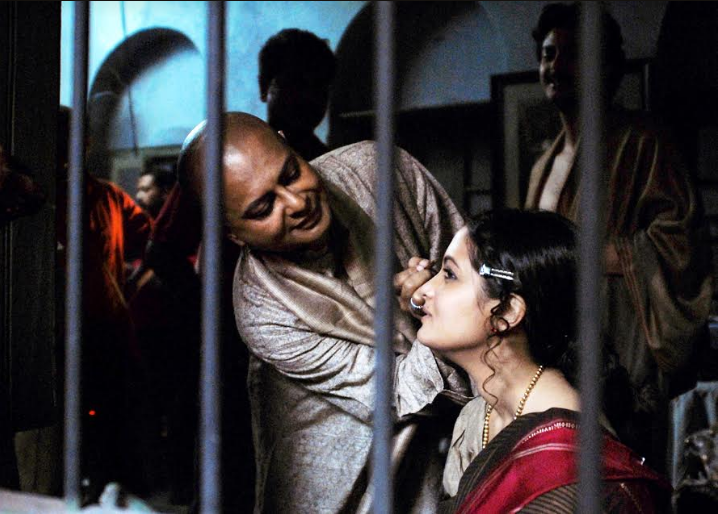
“Ritu was a close friend from University days and we had been work associates for more than a decade. I had seen his films bring back the audience to the big screen, the huge leap from shoestring budget films to the epic Chokher Bali, his growing reputation in India as well in international festival circuits. There are many sides to his complex personality and to capture his unique voice I turned to his filmography, his last trilogy where he inserts himself as an actor and his old interviews from the archives.


“Ritu- da shaped and nurtured by the city of Kolkata and putting this film together I rediscover the city as I seek the Baul song of the wandering minstrel, river Ganga which offers the metaphor of fluidity, just as Ritu- da was trying to escape gender definitions. So many memories…”


To be continued…


@bhawanasomaaya.com

Be who you want to be (Day 1500)

By Uncategorized

He was the first major filmmaker who used his public influence to make the concept of third gender more public. He was the first gay/trans filmmaker who stepped out of the closet 10 years ago after suffering social stigma in his early years. His bold assertion of identity in his own life (and in his last three films) have made him a cult figure and strongly influenced the younger generation. His statement “Be who you want to be” is today a youth slogan.


Director Sangeeta Datta held a long working association with Ghosh and was witness to the dramatic reception of his cinema, his single-handed boost to the Bengali industry, his star status and his fight for gender free identity. In Mumbai for the MAMI festival to screen Bird of Dusk Datta recalls that she associated with her subject when she edited a book on him titled Rituparno Ghosh: Cinema, Gender and Art, Routledge.


To be continued…


@bhawanasomaaya

First Person (Day 1499)

By Uncategorized

Indian writer- director Rituparno Ghosh from Bengal is a larger than life cultural icon whose influence spread far beyond his films and Sangeeta Datta pegs her film on the director’s own voice compiled via his interviews and memoirs entitled First Person from the archives.


There are also conversations with Ghosh’s cast and crew featuring Soumitra Chatterjee, Sharmila Tagore, Aparna Sen, Prosenjit Chatterjee, Nandita Das, Arjun Rampal, Konkona Sen and Mir. His cinematographer; Aveek Mukhopadhyay, editor Arghyakamal Mitra and music composer; Debajyoti Mishra discuss Ghosh’s craft of filmmaking and international festival curators (Berlin/London/Spain) endorse the filmmaker’s position in the world cinema-scape.


A man is known from his roots and Rituparno lived and worked in the city of Kolkata which he loved dearly and his life and work is a product of his city and its culture. The story of Rituparno is interrelated to the changing cityscape of Kolkata as the film is shot over the course of a year. A lot has changed in India too and Section 377 would have been celebrated by Ghosh if he were alive today.


To be continued…


@bhawanasomaaya

Remembering Rituda (Day 1498)

By Uncategorized

There was something special about Bengali filmmaker Rituparno Ghosh. Every Hindi film heroine wanted to work with him and when they did, they invariably won the national award be it Kirron Kher for Baadiwaali or Aishwarya Rai for Chokher Bali.

He was well versed with cinema, history, music and art and fashion. A writer, filmmaker, actor, fashion icon and a gay activist who fought for sexual identity and took the debate beyond gender to a larger humanist spirit.

He openly admitted that he was a woman trapped in a man’s body and broke free from the shackles when he played the heroine in his own films. It is Karmic justice that in the wake of Section 377 colleague and filmmaker Sangeeta Datt pays tribute to her mentor in a documentary titled Bird of Dusk.

To be continued…

@bhawaanasomaaya

Movie Review: Pihu (Day 1497)

By Uncategorized

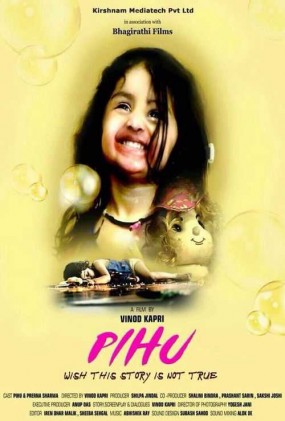
Film: Pihu

Date: 16.11.2018

Director: Vinod Kapri

Cast: Myra Vishwakarma, Prerna Vishwakarma

Editor: Archit Rastogi


The opening credits have a voice over of a birthday party. It is Pihu’s second birthday and friends have assembled for the celebration.

In the morning Pihu wakes up lolling on the bed, she shakes up her mother sleeping beside her but her mother is unresponsive

Based on a true incident Pihu is the story of a two-year-old having to fend for herself in a duplex apartment for more than 24 hours without anybody around her.

The camera follows Pihu as she climbs and descends the marble steps of the house, struggles to untangle her pyjamas and sit on the potty unescorted. She is confused about how she is to wash her soiled finger and runs for assistance to her sleeping mother.

When she is bored she juggles with the TV remote and entertains herself. When she is hungry she navigates through the kitchen and locates leftovers from the previous night party.

The 90-minute film is a terrifying journey into a child’s misadventures as she fidgets with the gas burners, touches hot iron and gets trapped inside the refrigerator. The worst is when she is in the balcony and her doll drops down and Pihu climbs over the railing to get it back, it is a superbly shot scene!

Myra Vishwakarma is the only actor in the film supported by external sounds like television, telephone conversations and passing neighbour chatter. Crisply edited and sensitively unfolded Pihu works for the treatment and the message of the film.

The story is a sad reflection of urban lonely lives in multi-storied buildings of the metropolis where nuclear families are isolated from neighbours and hopelessly dependent on the building security guard in times of a crisis!

It is a reflection of how technology has facilitated our lives but fractured our relationships. Devoid of intimacy and communication, we have no time and compassion for each other’s heartbreaks!

The film fails miserably in the art department.  The apartment is exaggeratedly messy and looks like an overemphasized set. It is impractical how the family survives without any house help. The disorder depicted on the morning after the party resembles is more like the after effect of a drinking night than a child’s birthday celebration.

You overlook the flaws because your attention is focused on little Myra. Filmmakers will tell you that it is most difficult to shoot with children and if Myra is so utterly unselfconscious before the camera the credit goes to director Vinod Kapri.

Years ago, Chetan Anand directed a film about a child lost on the streets searching for his mother called Aakhri Khat which brought a lump to your throat.

After watching Pihu you emerge from the theatre with a hollow feeling in the stomach.

Pihu is a must watch for all parents so that they never make the same mistakes. I rate Pihu with 3.5 stars.

Bhawana Somaaya