Amrit Mahotsav and Indian cinema- Part VI – Day 2789

By Uncategorized

The forthcoming years till India’s partition were marked with many creative and commercial highs and lows. Some memorable films made during that time Zinda Lash, Acchut Kanya, Duniya Na Maane, Pukaar, Khazanchi, Kismet and Rattan make us nostalgic even today. Saddat Hasan Manto’s Kisan Kanya a crime drama, was India’s first fully indigenous colour film.

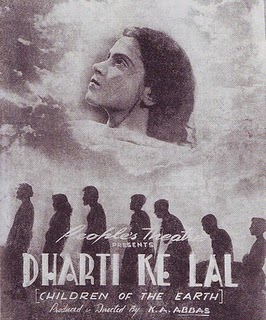
In 1947 India had found independence but the torment was far from over and the anxiety reflected in our films. Some films deliberately attempted to entertain the audience, like Madras productions’ Chandralekha, an all-India hit, and some inspired patriotism like Dharti ke Lal /1949.

The story continues…

Amrit Mahotsav and Indian cinema- Part v Day 2788

By Uncategorized

Sound entered cinema with Alam Ara in 1931. It was an unforgettable day for the large gathering on March 14 at Bombay’s Majestic Cinema to watch a film where characters spoke their lines.  Kalidas is the first Tamil sound feature, Bhakta Prahlada the first Telugu, Jamai Sasthi the first Bengali, Narasinh Mehta the first Gujarati and Sant Tukaram, the first sound Marathi film.

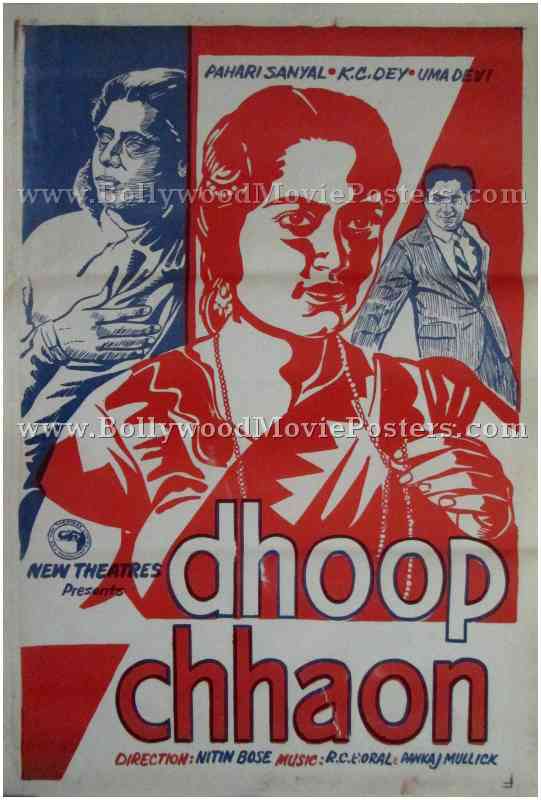
Ezra Mir’s Zarina became a topic of discussion for featuring the maximum number of kisses in 1932 and in 1935 playback singing was introduced for the first time in Nitin Bose’s Dhoop Chaaon. K LSaigal portrayal of Sarat Chandra’s Devdas became the first screen idol.

The story continues…

Amrit Mahotsav and Indian cinema- Part iv – Day 2787

By Uncategorized

Most films made during the pre-independence time were either mythological or patriotic in message. The censors were vigilant to not pass films provoking national sentiments. Bhakt Vidur in 1921 is said to be the first film to get into a censor controversy.

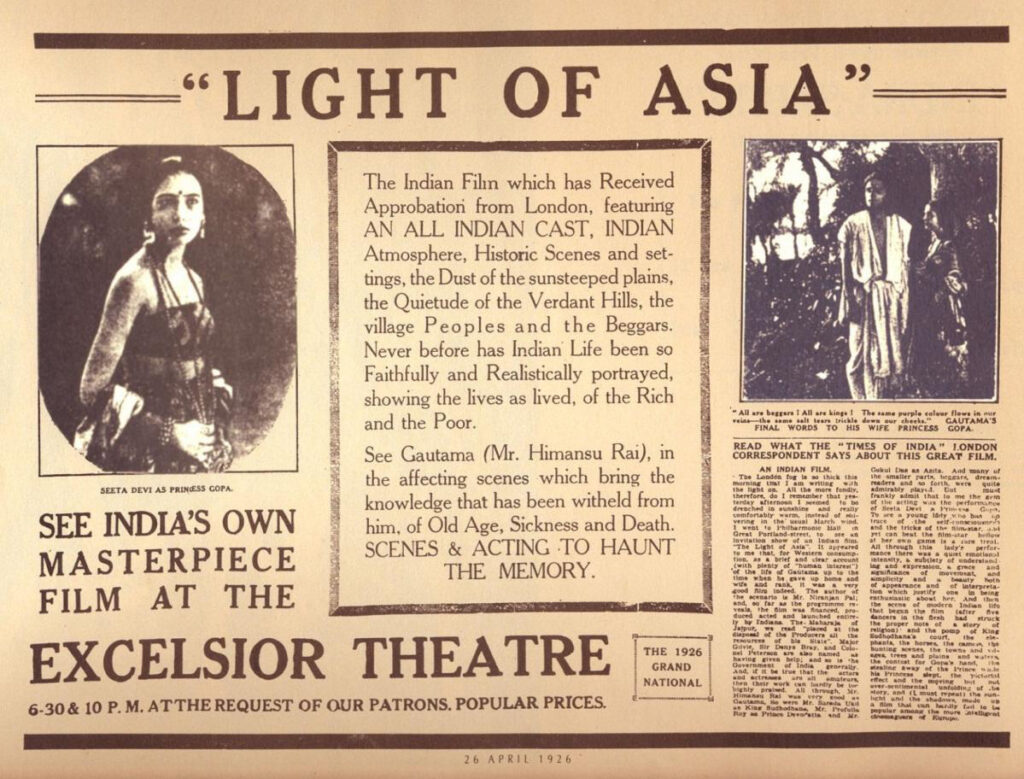
In 1925 a film based on Painter’s novel Savkari Pash was released where V Shantaram made his debut as a young lad. Other significant films made around this time were The Light of Asia and Bulbul –e-Parastan, Vande Mataram Asharam 1926.

The story continues…

Amrit Mahotsav and Indian cinema- Part iii – Day 2786

By Uncategorized

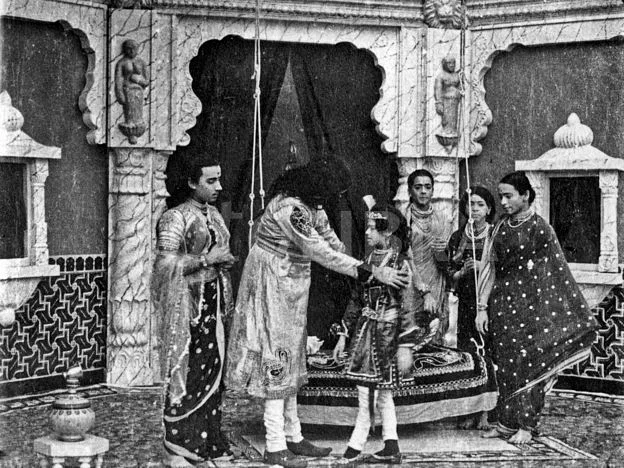
Phalke was fascinated with the film and ready to share his dream but his film was not the first Indian film. Film historians believe that Pundalik made in 1912 is probably India’s first film and Raja Harishchandra made by Phalke, the first indigenous full-length feature. The film was watched by distinguished guests at a private screening in Bombay’s Olympia Theatre on April 21 1913.

A month later, a corrected version of the film print was released commercially in Corporation Cinematograph in Bombay on May 3 1913. Over the next two decades approximately 1300 Indian silent films were made but only a few survived in the archives and it is unfortunate that we don’t have any records of milestone films like Lanka Dahan 1917 and Kalia Mardan 1919.

Amrit Mahotsav and Indian cinema- Part ii – Day 2785

By Uncategorized

In 1901 Hiralal Sen’s Royal Bioscope held a film exhibition alongside the commercial Calcutta Theatre filming extracts from plays. In 1902 JF Madan launched his bioscope show in a tent on Calcutta Maidan.

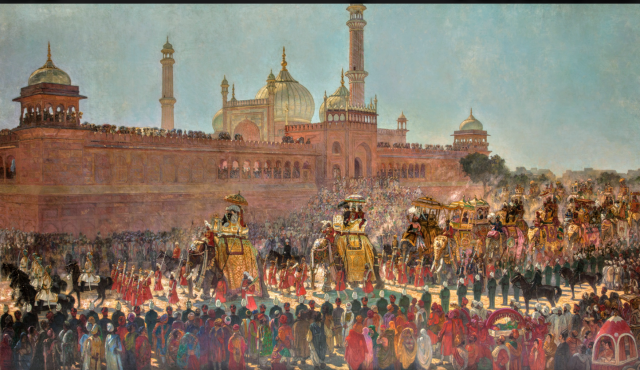
In 1903 Bhatavdekar and the American Biograph filmed Curzon’s Delhi Durbar. It was around this time, one day, Phalke attended Manek Sethna’s screening of The Life of Christ in Bombay and was spellbound. Heralding from a small village in Maharashtra, Phalke was a photographer and often hung around the renowned painter Raja Ravi Varma who supported him to pursue his dream.

The story continues…

Amrit Mahotsav and Indian cinema- Part 1 – Day 2784

By Uncategorized

As India celebrates 75 years of independence, it is time to recap our cinema milestones.

This is the story of the evolution of Hindi cinema, how it was born and grew into a magnificent obsession. Some of the details were narrated to us by our ancestors, some documented by the historians and some, witnessed by cinema buffs like you, me and now the younger generation.

The dream began in 1895 some say 1896 when French cameraman Marius Sestier screened the first motion picture at Bombay’s Watson Hotel on 7 July and the audience willingly paid one rupee per head to watch the magic unfold on the big screen. It was not an Indian film but it was the first screening in India and unknown to most at that time.

The story continues…

Black Velvet – Day 2783

By Uncategorized

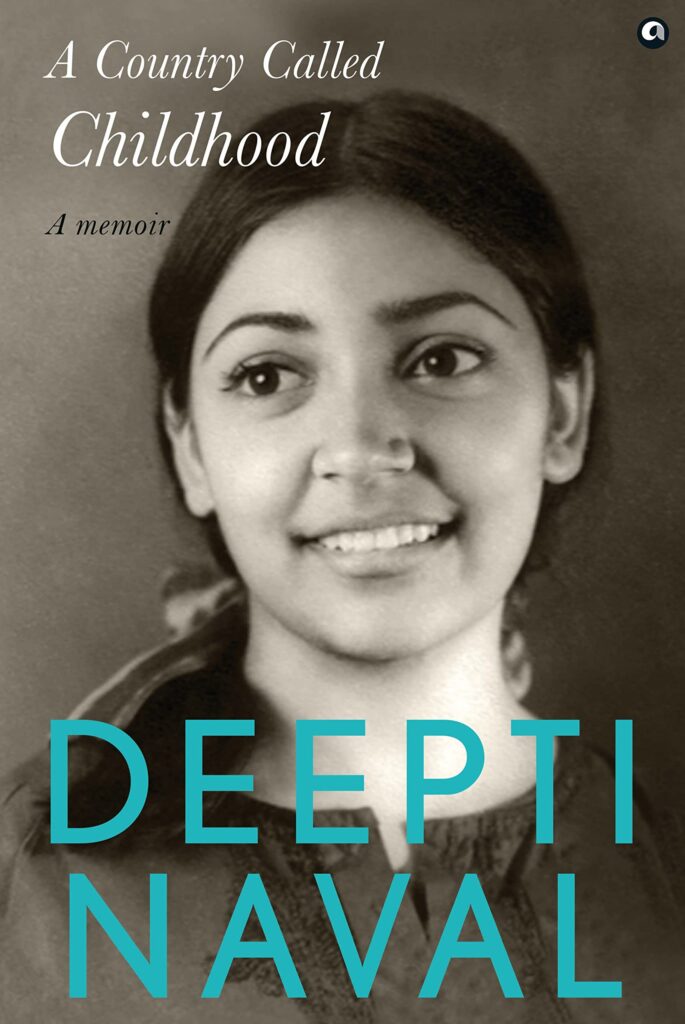
 It is very rare that a single person has many talents and she excels in all she does. Deepti Naval excels in all she does. She takes amazing portraits, does oil paintings (her home is filled with her art) and of course, writes sensitively. Many publishers have over the years requested her for her memoirs but she always refused.  “When I write a book it will be about my childhood” and today that book is a best seller.

 Excerpt 2:

“One of my most splendid monsoon nights came to me in the shape of a newborn calf that Charlie gave birth to. Late that night there was a banging on the phaatak and a voice called out, ‘Come, Shahni’s buffalo is giving birth!’ Excited, we wriggled out of bed. Mama grabbed umbrellas and covered us in plastic hoods. The lights had gone out and it was raining heavily. We sploshed across the gully and lined up at Shahni’s slushy tin shed.

There was Raj Aunty, Kishna, and some mochi kids wrapped in gunny bags. Sardarilal stood holding a gaslight in his hand. In the dimly lit night, we all stood waiting for the moment to happen. With the rain pouring down and the lights flickering, it was a long stretched out moment when we witnessed a little calf come into this world, his glassy black skin shimmering in the yellow kerosene lamp.

 Even as Shahni was trying to wipe him clean, the calf, almost at once, opened his huge dark eyes and looked at the world around him. Against the backdrop of a streetlight, dripping wet, under a cluster of black umbrellas, we all stood, gawking at him . . . till all of a sudden, he slipped out of Shahni’s hands and fell to the squishy ground.

Everyone gasped. But then, after a few moments of flailing his limbs about, the baby buffalo swiftly swayed upright. Everyone cheered! Fascinated, I looked up at Mama; her eyes were moist. She held us close. Didi softly uttered ‘So black,’ and I whispered, ‘like velvet!’ Instantly the little one became my favourite of all the buffaloes.

I knew what I was going to call him—Black Velvet”.

Concluded
Rains come to Amritsar – Day 2782

By Uncategorized

“The rains come to Amritsar in July for fifteen days, beating down like Mastana’s wedding band. A crack of thunder and the downpour begins. The storm-water pipe from our terrace rapidly floods the courtyard. Mama’s raat ki rani slowly wilts and droops to the ground. The buffalo shed, the mochi gully, the tonga stand at Hall Gate, the mosque, the pigeons . . . nothing is spared. It pours everywhere. Little boys make tiny paper boats and float them in the streets. The monsoon is here in full splendor!

 Excited, I ran up to the terrace and bundled up under the tin shed, watching the shower slanting in from all sides, witnessing the downpour, its serenade on the roof. The houses are just a blur on the horizon, the terraces lacking all definition. Each bricked edge merges into the next. The city is watercolor-washed into the dark-grey skyline.

A song is playing in my head. Eventually, it all ends in a song. Sitting on the rolled-up bed, tucked in a corner, I sing my rain songs.

For the cobbler clan, the monsoons were a challenge. Little kids waddled across the gully now turned into a slushy dirt track. We would hear the ghetto dwellers squelching their way through the night, trying to throw plastic sheets over their mud shacks to keep them from dripping. It continues to pour.

Later, when the rain abated, little crawlies came out of the ground, creating squiggly burrows in the mud, etching the sodden earth with their languorous trail. We kids would sprinkle salt on an earthworm and watch it wriggle and coil into itself. As children, we could be innocently cruel.”

To be continued…